Introduction
Glass railings have gained popularity as a design element in contemporary homes due to its ability to blend practicality with a refined and elegant appearance. In contrast to the architecture natural architectural architectural architectural architectural architectural architectural architectural architectural architectural architectural architectural architectural elements. Glass railings may add a sense of space and refinement to both indoor and outdoor areas, whether they are installed on terraces, staircases, balconies, or indoor areas. They are especially well suited for modern and opulent home designs because of their simple appearance.
Creating a Spacious and Open Appearance
The capacity of glass railings to preserve visual openness is one of their key benefits. The surrounding area can still be seen since transparent glass does not produce the same visual barriers as solid railings. This can give larger homes a smooth, airy appearance while making smaller interiors appear larger. The outcome is a simple architectural style that complements contemporary layouts particularly well.
Enhancing Natural Light
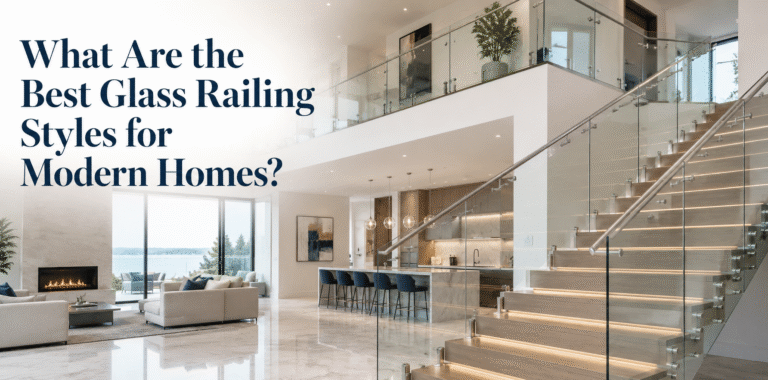
Natural light can pass across areas without being obstructed by solid objects thanks to glass railings. On staircases and balconies, this transparency helps retain brightness and creates a more open atmosphere. Glass railings can improve a home’s overall visual appeal when paired with wide windows and modern lighting. This makes designs that prioritise open choices.
Complementing Modern Architecture
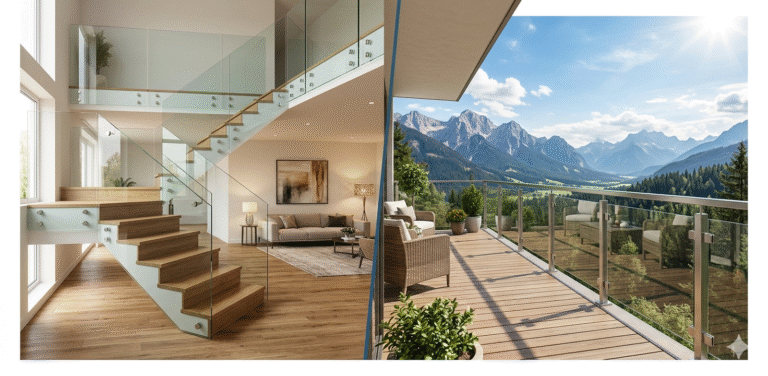
Glass railings’ straightforward lines complement modern building designs. They work well with wood, marble, stone, metal, and concrete, enabling homeowners to create a harmonious blend of surfaces and textures. Glass offers a neutral visual feature that enhances rather than detracts from the surrounding design, whether it is combined with a luxurious balcony or a simple stairway.
Adding Elegance Without Visual Clutter
Clean lines and thoughtfully chosen design components are common features of luxury rooms. Glass railings preserve a minimalist appearance while offering safety and isolation. Because of its translucent design, architectural details, floors, stairwells, and décor can continue to take center stage. Modern homes have a polished and elegant finish thanks to this blend of simplicity and utility.
Suitable for Staircases and Balconies
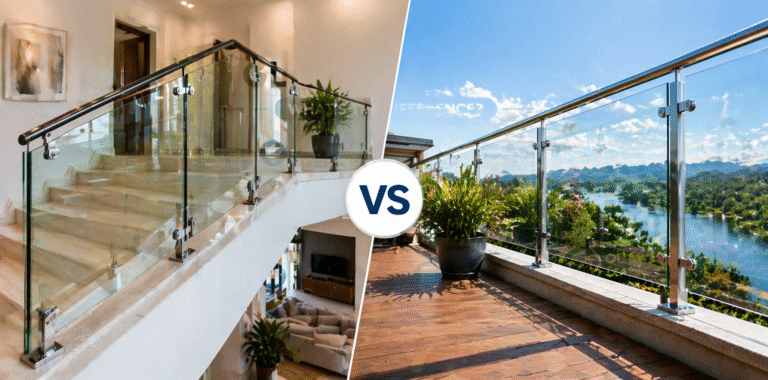
Internal staircases, balconies, terraces, and open landings are just a few of the areas of a house where glass railings can be used. On staircases, they create a modern focal point while preserving visibility between different levels; on balconies and terraces, they preserve views and create a seamless connection between indoor and outdoor spaces. This versatility makes glass railings appropriate for a wide range of modern residential designs.
Conclusion
By adding transparency, natural light, clean lines, and an elegant architectural finish, glass railings may completely change the look of a contemporary house. They are able to make design, and they are able to create a solution. Glass railings can contribute to the creation of a modern home that feels sophisticated, roomy, and aesthetically pleasing when they are carefully added to staircases, balconies, and other areas.
Frequently Asked Questions
Do glass railings make a home look more luxurious?
Yes, their clean lines, transparency, and minimalist appearance can complement modern luxury interiors and architecture.
Where can glass railings be used in a home?
Glass railings can be used for staircases, balconies, terraces, landings, and other indoor or outdoor areas where railing systems are required.
Do glass railings make small spaces look bigger?
Their transparent design can help maintain visual continuity, making smaller spaces feel more open and less visually crowded.
Can glass railings match different interior styles?
Yes, glass works well with materials such as wood, marble, stone, metal, and concrete, making it adaptable to different contemporary designs.
Why are glass railings popular in modern homes?
They combine functionality with a minimalist aesthetic while allowing natural light, views, and architectural details to remain visually unobstructed.