Introduction
The available space, storage needs, room layout, and individual tastes all play a role in selecting the appropriate wardrobe style for various room sizes. While medium-sized rooms can contain hinged or modular wardrobes, small bedrooms frequently benefit from sliding door closets and compact storage options. Walk-in wardrobes and personalized designs might be possible in larger bedrooms. Choosing an appropriate wardrobe enhances your bedroom’s overall appeal, maximizes storage, and allows for easy mobility.
Sliding Door Wardrobes for Small Bedrooms
Because their doors don’t need extra room to swing open, sliding door wardrobes are a sensible option for tiny bedrooms. They function well in spaces where the bed and other furnishings are placed near the closet. To arrange daily necessities, sliding wardrobes might have drawers, hanging sections, and shelves. A small bedroom might also feel larger by using mirrored or light-colored finishes.
Hinged Wardrobes for Medium-Sized Bedrooms
Bedrooms with sufficient area for the doors to open comfortably are ideal for hinged wardrobes. They enable customers to view several storage areas simultaneously and offer simple access to clothing compartments. To complement different bedroom decor, these wardrobes come in a variety of materials, colors, and finishes. For homeowners who want versatile internal storage and classic door functionality, hinged wardrobes can be a sensible choice.
Floor-to-Ceiling Wardrobes for Better Storage
In bedrooms of various sizes, floor-to-ceiling wardrobes facilitate the utilization of vertical space. They offer extra storage for things that are not frequently utilized, like bedding, luggage, and seasonal apparel. In smaller spaces with constrained floor space, this style is very helpful. A well-thought-out floor-to-ceiling closet can minimize clutter and produce a tidy, well-organized look.
Modular Wardrobes for Flexible Room Layouts
Flexible storage options that can be tailored to various bedroom configurations are provided by modular wardrobes. Depending on their needs, homeowners can select combinations of shelves, drawers, hanging sections, and accessories. These wardrobes are suitable for unevenly shaped spaces and medium-sized bedrooms. A functional and esthetically pleasing wardrobe can be created with careful internal design and accurate measurements.
Walk-in Wardrobes for Large Bedrooms
For larger bedrooms or homes with a separate dressing area, walk-in wardrobes are a good option. They offer dedicated storage for clothing, shoes, bags and accessories, while making it easier to organize. Walk-in designs can incorporate open shelving, drawers, mirrors and integrated lighting. But you need to have enough space to move around and you need to plan it well to make sure your closet is still comfortable and practical.
Corner Wardrobes for Awkward Spaces
Corner wardrobes make use of bedroom areas that might otherwise be wasted. They work well in rooms that are oddly shaped or don’t have a lot of wall space. Corner cabinets may also feature angled doors, custom shelving or L-shaped storage layouts, depending on the design. The right internal fittings can improve access and make better use of the space available.
Choosing Wardrobe Materials and Finishes
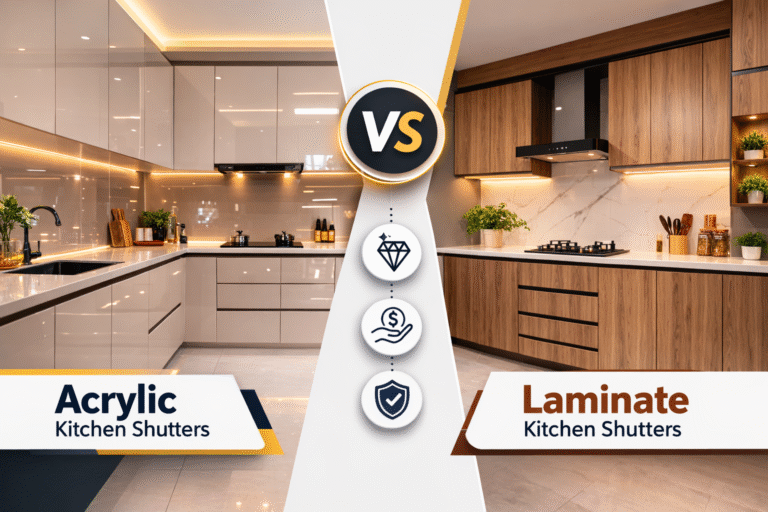
Wardrobe materials and finishes influence appearance, durability, maintenance and cost. Laminate finishes are available in a variety of colors and textures. Acrylic finishes can provide a glossy, contemporary look. Mirrors, wood-grain finishes and neutral colors can also complement different bedroom styles. When choosing a wardrobe finish, you should consider your budget, your cleaning preferences and your daily use.
How to Choose the Best Wardrobe for Your Bedroom
The ideal wardrobe design is one that fits your bedroom’s dimensions and your daily storage needs. Make sure you measure the wall space available, the ceiling height and the clearance around the bed and other furniture before you settle on a design.
For small bedrooms, go for smaller designs and vertical storage. For medium-sized rooms, you can opt for hinged or modular wardrobes depending upon the space you have. For bigger rooms, think about custom storage or walk-ins where space permits.
Conclusion
Selecting the perfect wardrobe style for various room dimensions contributes to a bedroom that is tidy, cozy, and attractive to the eye. Hinged wardrobes, sliding wardrobes, modular designs, storage from floor to ceiling and walk-in wardrobes all have their advantages depending on the space available.
Homeowners can choose wardrobe designs that make daily life easier and match interiors by taking into account the room size, storage requirements, materials and how the doors operate.
Frequently Asked Questions (FAQs)
Which wardrobe style is best for small bedrooms?
Sliding door wardrobes and floor-to-ceiling wardrobes are often suitable for small bedrooms because they help maximize storage without requiring additional door-opening space.
Are sliding wardrobes better than hinged wardrobes?
Sliding wardrobes are useful when floor space is limited, while hinged wardrobes offer easier access to multiple compartments. The better option depends on the room layout, available clearance, and personal preferences.
What wardrobe design is suitable for medium-sized bedrooms?
Medium-sized bedrooms can accommodate hinged, sliding, or modular wardrobes depending on the furniture arrangement and available wall space. Modular designs offer flexibility in organizing storage compartments.
Are walk-in wardrobes suitable for every bedroom?
Walk-in wardrobes generally require more space than standard wardrobes. They are better suited to large bedrooms or separate dressing areas where there is sufficient room for storage and movement.
How can I make a small bedroom wardrobe look spacious?
Choose light-coloured finishes, mirrored doors, simple handles, and floor-to-ceiling storage. Keeping the wardrobe design visually uncluttered can help make a small bedroom feel more open.