If there is one thing design never does, it is move in a straight line. Whether it is fashion, architecture, or interiors, trends have a habit of disappearing quietly only to return louder, richer, and more confident years later.
In Indian homes especially, this cycle feels even more natural. Our design history is deeply layered. What was once dismissed as old fashioned is now being rediscovered as timeless, warm, and deeply personal.
As urban homes become more modern, minimalist, and neutral, many homeowners are craving spaces that feel lived in rather than showroom perfect. Texture over polish. Mood over monotony. Memory over minimalism.
Designers across India are now embracing what was once labelled outdated and turning it into the defining aesthetic of 2026.
Here are some interior design trends that were once overlooked but are now making a strong and stylish comeback in Indian homes.
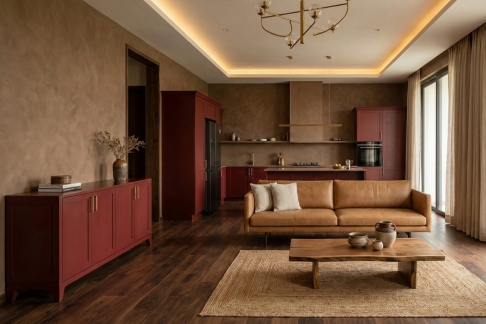
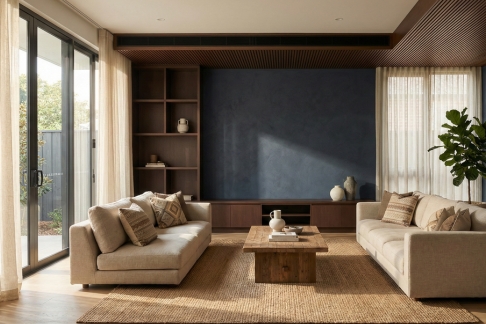
1. Brown Is Back And It Feels Luxurious
For years, brown was quietly pushed aside in favour of whites, greys, and beiges. It was seen as heavy, dull, or too traditional. In 2026, brown is reclaiming its place as one of the most sophisticated colours in Indian interiors.
From deep chocolate walls in living rooms to coffee toned upholstery and walnut finished furniture, brown is being celebrated for its warmth and grounding effect.
In Indian homes, brown pairs beautifully with brass accents, cane furniture, natural stone, and soft lighting. It works especially well in villas, high end apartments, and heritage inspired homes where comfort and richness matter more than stark minimalism.
Brown no longer feels old. It feels intentional.
2. Textured Plaster Walls Are Replacing Plain Paint
Smooth painted walls dominated Indian interiors for decades because they were easy, quick, and economical. But as homes get larger and more open, flat walls are starting to feel cold and characterless.
Textured plaster walls are making a strong return, especially in premium homes. Lime plaster, hand trowelled finishes, and soft imperfect textures are now being used to add depth and warmth to living rooms, foyers, and bedrooms.
This trend resonates deeply in India where craftsmanship has always been valued. A plaster wall feels handmade, organic, and unique. It reflects light differently throughout the day and instantly elevates a space without adding clutter.
In 2026, Indian homeowners are choosing walls that feel alive rather than perfect.
3. 4×4 Tiles Are Getting a Modern Indian Makeover
Once associated with older kitchens and bathrooms, 4×4 inch tiles were considered dated for a long time. Today, they are being reintroduced with a completely new attitude.
Designers are using glossy finishes, earthy colours, handmade looks, and even jewel tones to transform these small square tiles into design statements.
In Indian kitchens, they work beautifully as backsplashes, especially when paired with modern cabinets and warm lighting. In bathrooms, they add charm and rhythm without overpowering the space.
The appeal lies in their simplicity. When styled right, 4×4 tiles feel nostalgic yet fresh, making them perfect for contemporary Indian homes that want a subtle nod to the past.
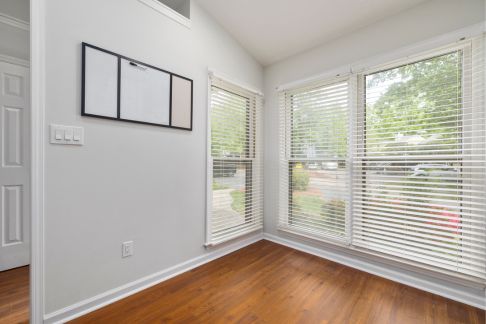
4. Dark Hardwood Floors Are Making a Strong Return
Light wood flooring, especially white oak finishes, ruled Indian luxury interiors for years. While they still have their place, 2026 is seeing a growing preference for darker wood tones.
Richly stained hardwood floors in walnut, teak inspired shades, or deep brown finishes are becoming popular again. Designers are also opting for slimmer plank sizes, which add a refined and timeless look.
In Indian homes, dark floors work exceptionally well with neutral walls, bold furniture, and layered lighting. They ground large spaces and add a sense of permanence and elegance that lighter floors sometimes lack.
This shift reflects a desire for depth, mood, and long term design rather than trends that feel temporary.
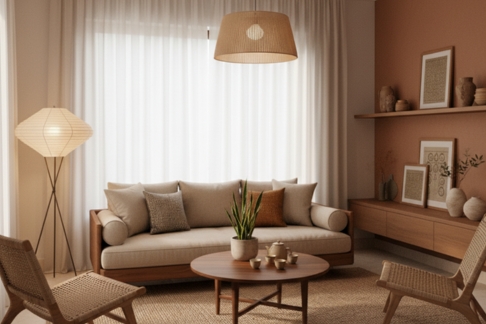
5. Red Paint Is Returning With Confidence
Red was everywhere in Indian homes during the late nineties and early two thousands. Dining rooms, accent walls, even bedrooms embraced bold reds. Then suddenly, red disappeared, replaced by muted neutrals.
In 2026, red is back, but in a far more refined form.
Think deep oxblood, terracotta, rust, and wine shades rather than bright primary reds. These tones are being used on kitchen cabinets, home office walls, powder rooms, and even wardrobes.
In Indian homes, red carries cultural significance and emotional warmth. When used thoughtfully, it adds drama, confidence, and personality without feeling overwhelming.
This new version of red feels mature, elegant, and incredibly stylish.
Why These Trends Are Returning Now
Indian homeowners today are more design aware than ever. They are travelling more, consuming global content, and yet reconnecting with their roots. There is a growing appreciation for spaces that feel personal, layered, and meaningful rather than overly minimal or trend driven.
What was once considered outdated is now seen as familiar, comforting, and timeless.
In 2026, good design is no longer about chasing what is new. It is about reimagining what already exists and making it relevant for modern living.
Final Thought
Your home does not need to follow every trend. But when old favourites return with better materials, better execution, and a deeper understanding of how we live today, they deserve a second look.
Sometimes, the most stylish spaces are not the newest ones, but the ones that remember where they came from.