Introduction
The warm climates need more than quality air conditioning systems. They need features in your home that keep your temperatures manageable and your energy bills down. In a hot climate, one of the most important things to consider for a home is the kind of windows that are installed. Windows are vital for heat management, insolation and UV protection. In this blog we will look at the best types of windows for hot climates and how they help to reduce heat build up, improve energy efficiency and keep you comfortable inside your home.
Low-E Windows (Low-Emissivity)
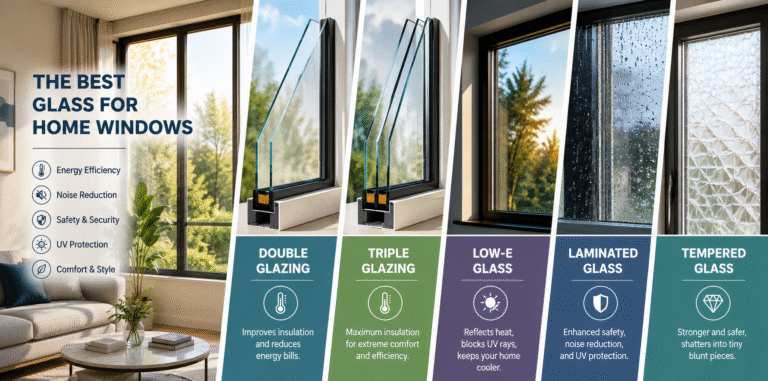
One of the best choices for hot climate is Low-E (Low-Emissivity) windows. The windows have a special coating that reflects infrared light and UV rays, but allows visible light to pass. The coating will help block heat that would otherwise enter your home, keeping it cooler, particularly during the peak hours of sunlight.
Benefits of Low-E Windows:
- Heat Reduction: Low-E coatings block heat from the sun while allowing natural light inside.
- Energy Efficiency: Helps in maintaining a cool indoor temperature, reducing the need for air conditioning.
- UV Protection: Protects furniture, flooring, and interiors from fading due to harmful UV rays.
Low-E windows are a great investment for anyone living in a hot climate, as they can make your home more energy-efficient and comfortable year-round.
Double or Triple-Pane Windows
In hot climates it is important to reduce heat transfer from the outside. Double or triple-pane windows are made up of two or three layers of glass with an insulating gas such as argon or krypton sealed between them. The windows act as a barrier, slowing the flow of heat and improving insulation.
Benefits of Double or Triple-Pane Windows:
- Better Insulation: The extra panes of glass provide better thermal insulation, keeping hot air out and cool air in.
- Noise Reduction: These windows also help reduce outdoor noise, which can be beneficial in busy or noisy areas.
- Improved Energy Efficiency: These windows help in reducing cooling costs during the summer months, as they are excellent at keeping your home cooler.
For the best performance, choose double or triple-pane windows with a Low-E coating for added heat resistance.
Tinted Windows
Tinted windows are a popular choice for homeowners in hot climates because they help to cut down on the amount of sunlight that gets through the glass. Tinted windows provide privacy and shield your home from the sun’s harsh rays. The darker the tint the more heat they can block making them an effective house solution in high temperature areas.
Benefits of Tinted Windows:
- Sunlight Control: Tinted windows help reduce glare and prevent excessive sunlight from entering the room.
- UV Protection: Tints block harmful UV rays, protecting your interiors from damage and fading.
- Increased Privacy: Tinted windows provide privacy from the outside, especially for homes located in busy areas.
While tinted windows are effective at controlling heat, be sure to choose a tint that balances UV protection with visibility, as too dark of a tint can make rooms feel too dark.
Impact-Resistant Windows
Impact-resistant windows are designed to withstand high winds, driving rain, and even physical impact. These windows are often found in hurricane-prone regions, but they are also excellent in hot climates because they are good insulators.
The windows are laminated glass to reduce heat transfer and provide additional security from exterior elements.
Benefits of Impact-Resistant Windows:
- Durability: Impact-resistant windows provide an extra layer of protection for your home against harsh weather and external damage.
- Energy Efficiency: These windows offer good insulation, reducing heat gain and improving indoor comfort.
- Noise Reduction: The laminated glass design helps in reducing outdoor noise, making your home quieter.
Impact-resistant windows can be a great long-term investment if you’re looking for durability and energy efficiency in addition to heat protection.
Vinyl Windows
Vinyl windows are not only energy-efficient but also provide excellent insulation against both heat and cold. The material itself offers natural resistance to heat transfer, making vinyl windows a good choice for hot climates.
Benefits of Vinyl Windows:
- Energy Efficiency: Vinyl frames provide good insulation, helping to maintain the desired indoor temperature.
- Low Maintenance: Vinyl windows do not warp, rot, or fade, making them easy to maintain in hot climates.
- Affordability: Vinyl windows are more budget-friendly compared to other energy-efficient window options.
For best results in hot climates, choose vinyl windows with double or triple panes and a Low-E coating to further enhance their energy efficiency.
Heat-Reflective Windows
Windows that reflect heat have special coatings that reflect the sun’s rays away from your home. This type of window is well suited to very hot climates where temperatures regularly exceed 100° F (38° C). These windows reflect heat away from your home instead of absorbing it, keeping your home cooler.
Benefits of Heat-Reflective Windows:
- Heat Rejection: Reflects the sun’s rays, preventing heat from entering your home.
- Energy Savings: Helps reduce the need for air conditioning, leading to lower cooling costs.
- UV Protection: Protects your interiors from UV damage, preserving the color and quality of furniture and decor.
Heat-reflective windows are ideal for homeowners in regions that experience extreme heat, as they keep the indoor environment comfortable and energy-efficient.
Conclusion
When it comes to choosing the right windows for hot climates, you need to look at things like how well they keep heat out, protect against UV rays and save energy. And there are plenty of windows that are great for keeping your home cool and energy efficient in the heat, including low-E windows, double or triple-pane windows, tinted windows, and impact-resistant windows. Whether you’re building a new home or upgrading your current windows, choosing the right window type for your climate will provide long-term benefits, including lower energy bills, improved comfort and protection from the harsh sun.
FAQs
1. What are Low-E windows?
Low-E windows have a special coating that reflects heat and UV rays while allowing visible light to pass through. These windows are energy-efficient and ideal for hot climates.
2. Are tinted windows effective in hot climates?
Yes, tinted windows reduce sunlight, block UV rays, and improve privacy, making them a great choice for hot climates.
3. Do impact-resistant windows help with heat insulation?
Yes, impact-resistant windows provide excellent insulation, keeping your home cool while protecting against external damage.
4. How do double or triple-pane windows improve energy efficiency?
Double or triple-pane windows provide an extra layer of insulation, reducing heat transfer and keeping your home cooler.
5. Can heat-reflective windows help lower my cooling costs?
Yes, heat-reflective windows reflect the sun’s rays away from your home, reducing the amount of heat that enters, and ultimately lowering your cooling costs.