Introduction
It may seem easy to buy new windows, but many homeowners make expensive mistakes that lower comfort, energy efficiency, and long-term value. Some of the worst things you can do are pick the wrong material, ignore energy ratings, only look at price, and not think about how to install it correctly. You can make a smart investment that makes your home look better, last longer, and work better if you know about these common mistakes ahead of time.
Choosing Price Over Quality
Choosing windows based only on price is one of the most common mistakes. Even though cheaper options may seem appealing, they often don’t last long or work well as insulation. Over time, low-quality windows can make maintenance and energy costs go up. Quality investments last longer and cost less to replace.
Ignoring Energy Efficiency Ratings
A lot of buyers don’t pay attention to energy ratings like U-value and thermal insulation. Windows are very important for keeping the temperature inside. Windows that aren’t well insulated can let heat out in the winter and let heat in in the summer. Choosing windows that use less energy can lower your electric bill and make your home more comfortable overall.
Selecting the Wrong Material
There are pros and cons to using different types of window materials, such as uPVC, wood, or aluminum. If you choose the wrong material for your climate and how you plan to use it, you could have problems like warping, corrosion, or poor insulation. It’s important to choose the right material for your environment and how much work you want to do on it.
Overlooking Installation Quality
If you don’t put them in the right way, even the best windows won’t work well. If something is not installed correctly, it can cause air leaks, water seepage, and problems with the structure. To get the most out of your investment, always hire a professional to install it.
Not Considering Ventilation Needs
A lot of people only think about how things look and not how they work. Windows should let air flow and circulate properly. Picking the wrong design can make the air inside your home less comfortable and less clean.
Ignoring Noise Insulation
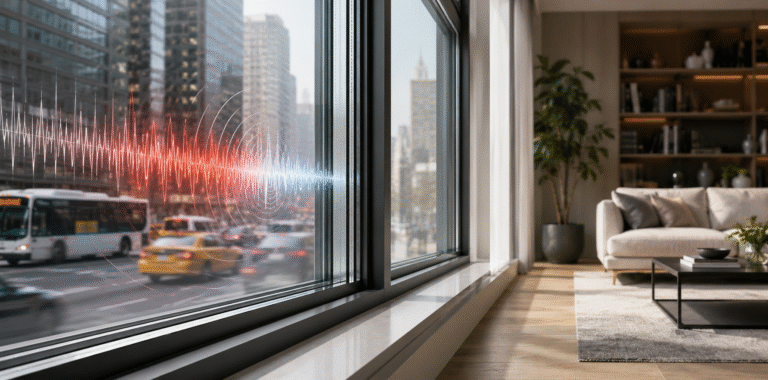
Noise reduction is important if you live in a busy or city area. If you don’t think about soundproofing features, you might be uncomfortable. Windows with double-glazed or laminated glass can cut down on noise from outside a lot.
Skipping Warranty and After-Sales Support
A good warranty shows that the product is of high quality and the brand is trustworthy. It can be dangerous to ignore the terms of a warranty. Always pick brands that have good customer service and support after the sale.
Not Matching Windows with Interior Design
Windows are an important part of how your home looks. Choosing a style that doesn’t match your home’s decor can change how it looks overall. For the best results, make sure both design and function are in balance.
Conclusion
Buying new windows is a big investment, and avoiding these common mistakes can save you money, time, and stress. To make the right choice, think about quality, energy efficiency, proper installation, and how well the design fits in.
What is the most important factor when buying windows?
Energy efficiency and material quality are the most important factors.
Are expensive windows worth it?
Yes, they offer better durability, insulation, and long-term savings.
How do I know if a window is energy efficient?
Check ratings like U-value and insulation performance.
Which window material is best?
It depends on your climate and needs—uPVC is widely preferred for durability and insulation.
How important is installation?
Very important. Poor installation can reduce performance significantly.