Interior design in India in 2026 is shifting from visual perfection to lived comfort.
Homes are becoming more personal, materials more honest, and luxury quieter. Instead of copying global trends, Indian homeowners and architects are adapting them to climate, lifestyle, culture, and long term use.
This guide explains the top interior design trends for 2026 in India, what they mean in real homes, and how to apply them practically.
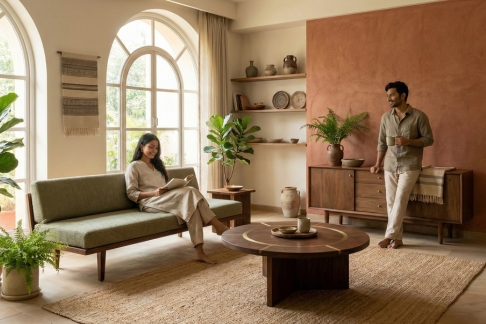
Quick Overview: Interior Design Trends 2026
The biggest interior design trends for 2026 include:
- Personalised, lived in homes
- Rich, earthy colour palettes
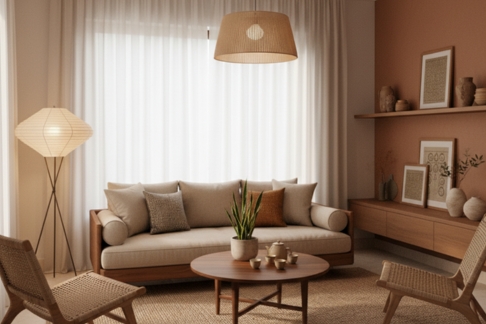
- Natural and tactile materials
- Custom furniture and flooring
- Quiet luxury over flashy finishes
- Emotional lighting design
- Materials that age gracefully
These trends focus on comfort, longevity, and emotional connection rather than short term visual impact.
1. Personalised Homes Are the New Standard in India
In 2026, Indian homes are becoming more personal rather than perfectly styled.
Instead of show home interiors, homeowners are mixing modern furniture with inherited pieces, regional crafts, and collected objects. This reflects how Indian families actually live.
For architects, this means designing flexible layouts that allow personal layers to grow over time rather than fixed aesthetic outcomes.
Why this matters in India:
- Multi generational households
- Emotional attachment to objects
- Homes designed for decades, not trends
2. Interior Colour Trends 2026 for Indian Homes
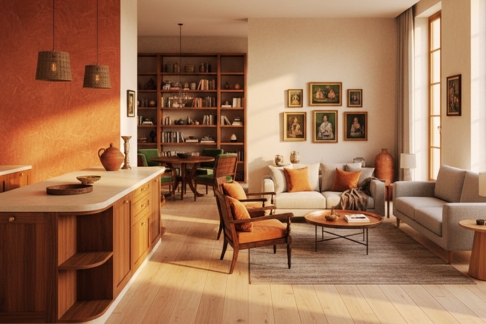
Popular interior colours in 2026 include forest green, olive, terracotta, warm browns, muted burgundy, and soft neutrals.
These colours work exceptionally well in Indian lighting conditions and pair naturally with wood, stone, and metal.
Unlike earlier years, colour is not limited to accent walls. It flows across furniture, ceilings, fabrics, and built elements.
For Indian architects, these palettes perform better in tropical climates and age visually better than stark whites or greys.
3. Material Led Design Takes Priority
Material selection is more important than surface finishes in 2026 interiors.
Indian homes are moving toward:
- Natural stone
- Solid wood
- Terrazzo flooring
- Textured metals
- Handcrafted surfaces
Glossy laminates and overly polished finishes are slowly losing relevance.
Natural materials handle Indian climate conditions better and require less frequent replacement.
4. Minimalism Evolves for Indian Lifestyles
Minimalism in 2026 is warm, layered, and practical rather than empty.
Indian homes require storage, flexibility, and adaptability. The new minimalism keeps layouts clean but allows texture, colour, and personal objects.
For architects, this means:
- Built in storage
- Fewer but stronger materials
- Clean circulation with layered surfaces
5. Flooring Trends 2026 for Indian Homes
Flooring in 2026 is a design feature, not a background element.
Trending flooring choices include:
- Kota stone
- Terrazzo
- Cement based finishes
- Natural stone combinations
These floors work well for Indian conditions, stay cooler, and age beautifully.
Architect tip: design floors early in the concept stage instead of treating them as a final selection.
6. Custom Design Is the New Luxury in India
Luxury in 2026 is defined by customisation, not cost.
Indian homeowners are investing in:
- Custom wardrobes and kitchens
- Bespoke furniture
- Handcrafted lighting
- Locally made rugs and textiles
This creates homes that feel unique without unnecessary extravagance.
7. Honest Materials That Age Well Are Preferred
Materials that age naturally are preferred over flawless finishes in 2026.
Wood, brass, stone, and clay are valued because they develop character over time. Small imperfections are accepted as part of living.
This mindset aligns well with Indian cultural values of longevity and sustainability.
8. Lighting Design Trends 2026 in India
Lighting in 2026 focuses on mood rather than brightness.
Indian interiors are moving toward:
- Warm layered lighting
- Sculptural fixtures
- Soft metal and stone materials
- Task plus ambient lighting combinations
This approach reduces harsh lighting and improves daily comfort.
9. Quiet Luxury Replaces Showy Interiors
Quiet luxury in 2026 is about restraint, proportion, and craftsmanship.
Instead of flashy materials, high end Indian homes focus on:
- Balanced layouts
- Fewer materials used well
- Comfortable, timeless spaces
Luxury is felt over time rather than noticed instantly.
10. White Interiors Become Softer and Climate Friendly
White interiors in 2026 are layered and warm, not stark.
White is paired with wood, stone, and textured finishes to prevent glare and heat reflection, making it more suitable for Indian climates.
Frequently Asked Questions(FAQs)
What is the biggest interior design trend for 2026 in India?
Designing homes that feel personal, comfortable, and emotionally connected rather than visually perfect.
Are bold colours suitable for Indian homes in 2026?
Yes. Deep earthy colours perform well in Indian lighting conditions and pair naturally with local materials.
Is minimalism still relevant for Indian interiors?
Yes, but it is warmer and more functional, allowing storage, texture, and personal elements.
What flooring is best for Indian homes in 2026?
Natural stone, terrazzo, and cement based flooring are preferred for durability, cooling, and longevity.
How is luxury interior design changing in India?
Luxury is shifting from expensive finishes to custom design, craftsmanship, and long term comfort.
Are natural materials better for Indian climates?
Yes. Wood, stone, and clay handle humidity and temperature changes better than synthetic finishes.
Final Takeaway for Indian Homeowners and Architects
Interior design in 2026 is no longer about copying trends. It is about designing for how Indians actually live.
Homes are becoming more personal, material conscious, emotionally comfortable, and timeless.
For homeowners, this means investing in what lasts.
For architects, it means designing with intention, climate awareness, and human experience at the core.