Hospitality design in 2026 is moving toward emotional depth rather than visual spectacle. Across India and globally, hotels are shifting from polished, photo ready interiors to environments that feel human, warm, and deeply connected to place. The focus is no longer on how a room looks but on how it lives, breathes, and stays with you long after checkout.
Today’s travelers want atmospheres that feel familiar yet transportive, rooted in cultural identity while offering calm, clarity, and comfort. Luxury is becoming less about statement pieces and more about sensory richness, intimacy, and authenticity.
Top 5 Trends Shaping Hospitality Design in 2026 (India Edition)
1. Designing to Feel
One of the biggest shifts is the move from visual drama to multisensory experience. Designers are prioritizing scent, acoustics, touch, and lighting to create emotional resonance.
Soft illumination replaces glare. Layered materials absorb echo. Textures feel comforting. Morning light becomes part of the design narrative. Even small moments, like the warmth of a handcrafted lamp or a quiet corner, are engineered to soothe.
The goal is simple: spaces should settle the body and nourish the mind..
2. Hyper Localization
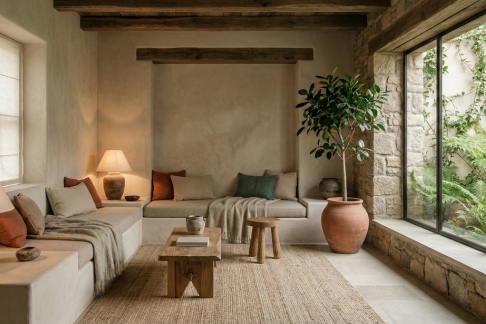
India’s hospitality sector is embracing its regional richness like never before. Instead of global uniformity, hotels now tell local stories through:
• Regional stone and native woods
• Handloom textiles and artisan crafted ceramics
• Vernacular forms reimagined for contemporary living
• Patterns and motifs inspired by local culture
Authenticity here is not decorative. It is a relationship between the land, the community, and the traveler. Every material becomes a storyteller.
3. Holistic Wellness
Wellness is dissolving into everyday design rather than standing apart as a facility. Hotels are integrating:
• Biophilic elements
• Breathable, low emission materials
• Circadian lighting systems
• Natural airflow and ventilation
• Quiet pockets for reflection
This invisible approach allows guests to feel better without naming why. The architecture itself supports restoration and mental clarity.
4. Material Honesty
2026 marks a return to materials that age gracefully and hold memory. Indian hotels are choosing:
• Honed stone and terracotta
• Cork, natural fibers, and raw timber
• Stitched leather
• Plaster and hand finished textures
• Locally sourced aggregates for terrazzo
Signs of wear are embraced as a record of life. A softened edge or patina becomes proof that a space is loved, not neglected. This quiet resilience is the new definition of luxury.
5. The Rise of Green
Green emerges as the defining color of this era: mineral greens, coastal teals, forest olive, and herbal tones.
In India, where nature’s palette is vast and diverse, these hues offer grounding and emotional calm. Paired with brass, stone, clay, or woven textiles, green becomes an anchor that connects interiors to landscape and memory.
Intimate, Human Scale Spaces
2026 favors environments that feel personal and emotionally scaled.
Think:
• Deep seating that encourages lingering
• Niches for reading or conversation
• Warm, diffused lighting
• Small, layered rooms within larger spaces
• Furniture that invites touch and comfort
These are rooms that feel like they know you. The goal is not to impress but to embrace.
Wellness as Everyday Ritual
Wellness is layered into architecture like a quiet gesture of care.
From daylight oriented layouts to nature inspired airflow patterns, spaces are designed to help guests sleep better, breathe better, and find mental ease. Natural materials and botanical scentscapes subtly guide the body toward balance.
In India’s diverse landscapes, this approach amplifies the harmony between built and natural environments.
Craft in a Digital Age
Digital precision is essential, but it is the hand of the craftsperson that gives interiors soul.
Expect a blend of:
• Machine cut structures
• Hand laid stone and tile
• Carved wood details
• Woven surface treatments
• Custom metal and textile work
This interplay of technology and human touch gives each project a quiet individuality that guests feel intuitively.
Art That Lives Within the Space
Art is no longer a framed object but an integrated spatial experience.
Hotels are using:
• Sculptural surfaces
• Textured walls
• Installations inspired by local culture
• Artist collaborations that anchor the design story
Corridors, lobbies, and staircases become immersive journeys, encouraging guests to rediscover the hotel each time they return.
Adaptive, Multifunctional Spaces
Spaces now serve multiple purposes over a single day.
Lobbies evolve from co working lounges to social living rooms. Restaurants transition from bright morning cafes to atmospheric evening venues. Lighting, furniture, and soundscapes flex to support each moment.
Every square foot is designed with intention and fluidity.
Elevated F&B Experiences
Dining areas are conceived as cultural stages.
We see:
• High design food halls
• Multi episode dining journeys
• Chef driven menus integrated into spatial storytelling
• Open kitchens that create a sense of theatre
In a country where food is ritual, memory, and celebration, this shift resonates deeply with Indian travelers.
Boutique Spirit at Scale
Whether large or small, hotels are adopting a boutique mindset to create individually meaningful spaces.
This includes:
• Region specific palettes
• Locally rooted textures
• Intimate scale design within expansive properties
• Culturally grounded storytelling
No two locations feel alike, even when part of the same brand family.
Vintage, Reused, and Restored
Sustainability and emotional resonance meet in the revival of vintage elements.
Indian properties are incorporating:
• Restored wooden furniture
• Antique lighting
• Refinished metalwork
• Repurposed decor with history
These pieces bring depth and character, making rooms feel collected rather than installed.
Designing With Care
Running through all these trends is a simple but powerful philosophy: designing with care.
Care for the guest through sensory comfort and intuitive layouts.
Care for culture through respectful integration of local identity.
Care for the environment through thoughtful material choices.
Care for experience through design that feels personal and meaningful.
When spaces are created with care, you feel it not in the grand gestures but in the quiet moments, in the way a room holds you gently long after you leave.