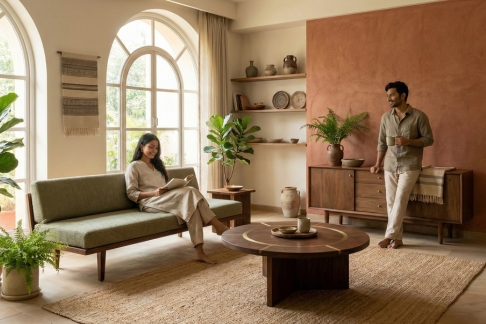
Our homes are more than four walls. They shape our moods, energy levels, and everyday routines. In a fast paced Indian lifestyle filled with noise, clutter, overstimulation, and constant decision making, the way we design our homes can actually play a major role in supporting our mental wellbeing.
This is where neuroinclusive design comes in. Also known as sensory inclusive design or neurodiversity affirming design, this approach focuses on creating living spaces that support the full spectrum of human brains, especially those with ADHD, autism, anxiety, OCD, dyslexia, or sensitive nervous systems.
While this concept has gained attention globally, including celebrity endorsements, it is incredibly relevant to Indian households where multigenerational living, smaller homes, and high sensory environments can easily lead to overwhelm.
What Is Neuroinclusive Design?
Neuroinclusive design is the practice of shaping spaces that work with your brain, not against it. Instead of expecting people to adapt to one-style-fits-all interiors, this approach acknowledges that every person has different sensory needs.
For individuals with ADHD, autism, anxiety, or sensory overload, traditional home layouts can feel chaotic. But neuroinclusive design helps create environments that reduce stress, improve emotional regulation, and make daily routines easier.
And it is not just for those with diagnoses. In a high stress culture like India, where long commutes, crowded surroundings, and demanding work schedules are common, everyone can benefit from calmer, well thought out spaces.
Why Neuroinclusive Design Matters in India
Indian homes often have unique sensory challenges:
- Dense neighbourhood noise
- Strong smells from cooking
- Visual clutter due to lack of storage
- Bright lighting
- Multiple family members sharing space
- High foot traffic in common areas
- Overstimulation from devices and TVs
By designing homes that accommodate sensory needs, families can experience:
- Better sleep
- Reduced stress and anxiety
- More efficient daily routines
- Improved focus for work or study
- Smoother transitions for children and teenagers
- Calmer interactions among family members
In short, neuroinclusive design brings peace into everyday living.
Benefits of Neuroinclusive Design
1. Better Emotional Regulation
Calmer spaces with intentional lighting, textures, and organization help soothe the nervous system.
2. Smoother Daily Routines
Clear zones for work, rest, and play reduce decision fatigue and make transitions easier for both adults and kids.
3. Lower Sensory Overload
Noise, clutter, harsh lighting, and strong smells can overwhelm many people. Neuroinclusive homes manage these sensory triggers intentionally.
4. More Inclusivity for Kids and Teens
Children process sensory input intensely. Spaces that support regulation help them focus better, stay calmer, and build positive habits.
5. A Home That Supports You
Instead of forcing individuals to adapt, the space adapts to their needs and lifestyle.
How to Bring Neuroinclusive Design Into Your Indian Home
1. Start With a Sensory Audit
Ask yourself:
- Do I prefer bright, airy rooms or cozy nooks?
- What parts of my home feel overwhelming or stressful?
- What moments in my daily routine feel hardest?
This honest evaluation gives a starting point.
2. Reduce Visual Overwhelm
Indian homes often struggle with clutter.
Start small:
- Clear kitchen counters
- Create simple storage baskets
- Give every item a fixed home
- Set up quick drop zones for keys, bags, and mail
A decluttered space gives the brain space to breathe.
3. Reduce Noise Irritation
If noise is a stressor:
- Use thick curtains
- Add rugs for sound absorption
- Use soundproof windows (triple pane, uPVC, or laminated glass)
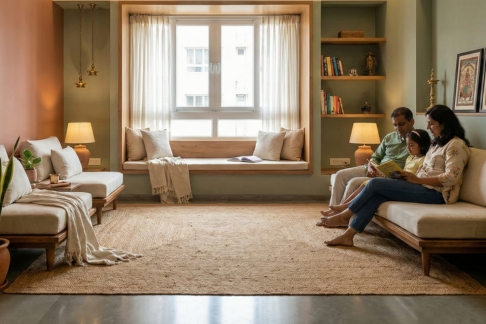
- Create a designated quiet corner for reading or reflection
In busy Indian cities, sound control can dramatically improve mental wellbeing.
4. Bring Nature Indoors
Biophilic design has proven calming effects.
Simple additions can help:
- Indoor plants
- Clay pots
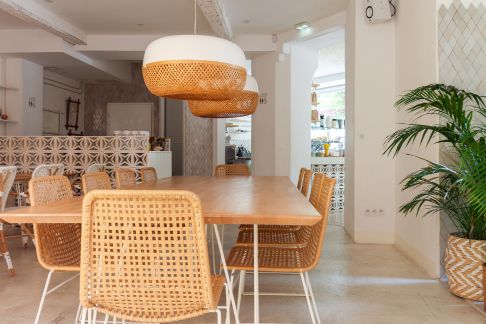
- Jute baskets
- Wooden furnishings
- Pebbles, seashells, or natural décor objects
These soften the environment without overstimulation.
5. Use Color With Purpose
Neuroinclusive does not mean boring or beige.
Many ADHD and neurodivergent minds crave stimulating colors.
Use color intentionally:
- Calm tones in bedrooms
- Vibrant accents in study areas
- Warm colors in social zones
- Gentle pastels for relaxation corners
Create micro zones like:
- A reading nook
- A focused homework desk
- A soft landing area near the entryway
6. Get Lighting Right
Lighting can make or break sensory comfort. Try:
- Warm lights at night for winding down
- Brighter white light for work areas
- Task lights for study desks
- Light dimmers if possible
Balanced lighting improves focus and mood regulation.
7. Add Sensory Friendly Textures
For those who enjoy tactile comforts:
- Soft blankets
- Knitted cushions
- Nubby pillow covers
- Woven wall hangings
- Soft rugs near the bed
These add groundedness and sensory satisfaction.
Final Thoughts
Neuroinclusive design is not a trend. It is a compassionate way of thinking about our homes, recognising that stress, overwhelm, sensory overload, and mental fatigue are now part of modern Indian life.
By making simple, intentional choices, you can transform your home into a nurturing, supportive space that helps every member of the family thrive.